
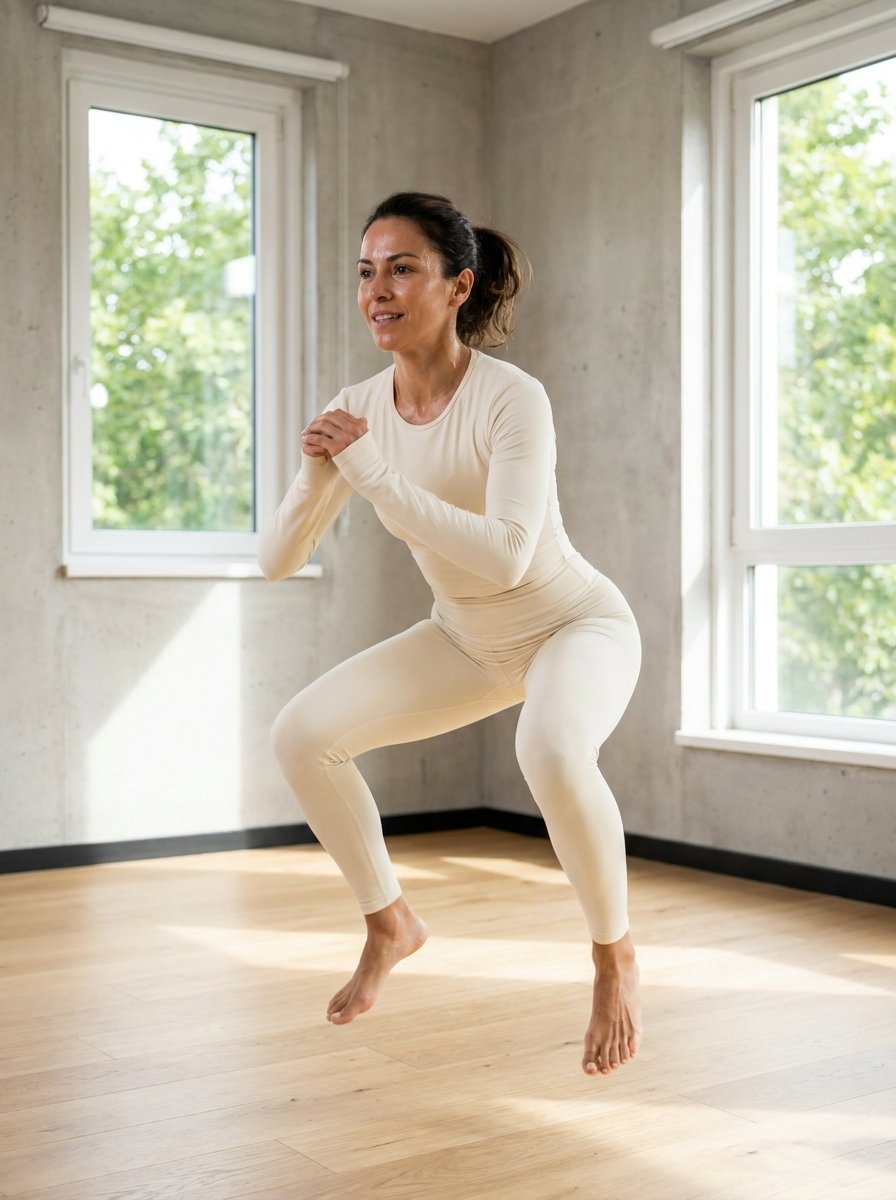
The Molecule That Improves Your Cardiorespiratory Efficiency
Molecular hydrogen is the smallest molecule in the universe. It crosses membranes effortlessly, reaches the myocyte mitochondrion (where aerobic energy is generated), and modulates the oxidative dynamics of erythrocytes and respiratory control itself. When you train at moderate or high intensity, lactate rises and ventilation increases to clear CO2 and maintain pH.
The quality of that ventilatory response is the difference between finishing a climb comfortable or gasping. H₂ selectively turns off the most damaging radicals without touching useful signaling. That lowers mitochondrial oxidative stress during effort, improves metabolic efficiency, and — according to Botek 2019 — translates into a better ventilatory response at the same load.
How do you get it? Fresh H₂ water from a medical-grade ionizer with negative ORP and a dissolved concentration of at least 1.0 ppm. Pre-bottled options lose H₂ within hours.
The Study — What They Measured and What They Found
Botek and colleagues 2019 designed a randomized double-blind crossover trial. Each subject was their own control. Participants: 12 healthy men. Intervention: hydrogen-rich water peri-session during exercise.
The Specific Measurements That Matter
Ventilatory response: pulmonary ventilation (frequency and tidal volume) during effort. Blood lactate during exercise: indicator of metabolic efficiency and fatigue threshold. Perception of effort (RPE): how hard you feel the same load.
The Results — What They Found Without Ambiguity
Better ventilatory response at the same load in the H₂ group. Lower blood lactate during exercise. More manageable perception of effort. Three cardiorespiratory and perceptual markers moving in the right direction within a single intervention. That is why it is a frequent citation in reviews of H₂ mechanism in endurance.
How to Incorporate It — Step-by-Step Protocol for Endurance
Get a Medical-Grade Ionizer
The study used fresh H₂ water. You need a medically certified ionizer that produces water with negative ORP and a dissolved concentration of at least 1.0 ppm. Pre-bottled options do not replicate the effect.
Apply the Peri-Session Protocol
500 mL in the 30 to 60 minutes before the ride, run, or ventilatory training session. 250 to 500 mL in sips during, if the session lasts more than an hour. An additional 500 mL in the 1- to 2-hour post window.
Daily Baseline Hydration
2 to 3 liters of general hydration daily. For endurance athletes with high weekly volume, or in heat or altitude, 3 to 4 L total daily.
Sessions Where It Matters Most
Long threshold sets, tempo runs, cycling in zone 3 to 4, submaximal swim intervals. Anything between 75% and 90% of your maximal aerobic capacity, where ventilatory response decides whether you finish the session clean or gasping.
What to Expect — Realistic Timeline
Session to Session
What Botek measured: less forced breathing at the same load, lower lactate, and more manageable perception. Closing long sets with a clearer head.
4 to 8-Week Block
Consistent peri-session use accumulates effect. It allows more volume without falling into persistent ventilatory fatigue — that "I'm breathing badly all day" sensation typical of aerobic overtraining.
Tests or Competitions
For a race, triathlon, or competition, the 500 mL pre-test protocol is a clean and legal tool (not on the WADA list) for having a better ventilatory response from kilometer one.
The Honesty — What H₂ Does and What It Does Not
Molecular hydrogen does not magically raise your baseline VO2max, does not replace your training plan or your sports nutrition. The evidence suggests it improves ventilatory response at the same load, lowers blood lactate, and softens perception of effort. It is not on WADA. It adds as an extra layer without dampening adaptations.